

Certainly! Here’s an SEO-friendly blog post for “Why Tent Ventilation Matters and How to Choose the Best Design”:
Why Tent Ventilation Matters and How to Choose the Best Design
When it comes to camping tents, many people focus on size, weight, and weather resistance — but overlook one of the most important features: ventilation. Proper tent ventilation is crucial for comfort, safety, and extending the life of your tent. In 2025, tent designs have become smarter at promoting airflow to reduce condensation and keep campers cool. Here’s why ventilation matters and how to choose the best design for your outdoor adventures.
Why Is Tent Ventilation Important?
1. Prevents Condensation Build-Up
When you breathe, sweat, or cook inside your tent, moisture accumulates inside. Without good ventilation, this moisture condenses on the tent walls and floor, creating dampness that can ruin gear, cause discomfort, and even damage the tent fabric.
2. Enhances Comfort
Good airflow helps regulate temperature inside your tent, reducing stuffiness on warm nights and preventing overheating during the day.
3. Improves Air Quality
Ventilation allows fresh air to circulate, preventing stale air buildup and minimizing unpleasant odors.
4. Reduces Mold and Mildew Risk
Moist environments encourage mold and mildew growth, which can degrade your tent fabric and cause health issues.
Key Features of Good Tent Ventilation
Mesh Panels and Doors
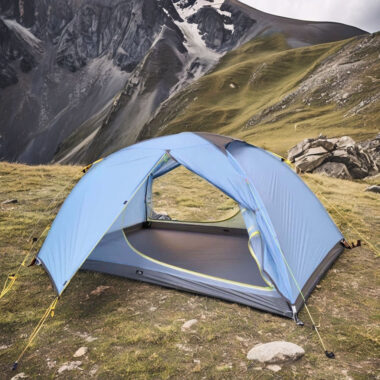
Tents with large mesh windows and doors provide excellent airflow while keeping insects out. Look for tents with mesh on multiple sides to allow cross-ventilation.
Adjustable Vents
Some tents come with roof vents or side vents that you can open or close depending on weather conditions. This flexibility is ideal for adapting to changing temperatures.
Dual Doors and Windows
Having more than one door or window allows you to create a breeze by opening opposite sides, enhancing ventilation.
Rainfly Design
A rainfly with a gap between it and the tent body allows air to flow while keeping rain out. Avoid rainflies that sit flush against the tent fabric, as they can trap moisture.
Tent Shape and Height
Taller tents with peaked roofs allow hot air to rise and escape more easily than low-profile tents.
How to Choose the Best Tent Ventilation Design
- Consider Your Camping Environment
If you camp in hot, humid climates, prioritize tents with large mesh panels and multiple vents. For cold or rainy areas, choose tents with adjustable vents and a rainfly that balances ventilation with protection. - Look for Quality Materials
Breathable fabrics and well-constructed mesh reduce condensation and improve airflow. - Check User Reviews
Feedback from other campers often highlights ventilation performance in real conditions. - Test Setup if Possible
Practice setting up your tent and testing ventilation features before your trip.
Conclusion
Ventilation is an essential, often overlooked aspect of a camping tent that directly impacts your comfort, health, and gear protection. In 2025, modern tent designs offer innovative ventilation solutions that make camping more enjoyable no matter where you go. When choosing your next tent, pay close attention to ventilation features — your future self will thank you!
If you want, I can help you create SEO meta descriptions, keyword lists, or even a buying guide comparison table focused on tent ventilation features!